
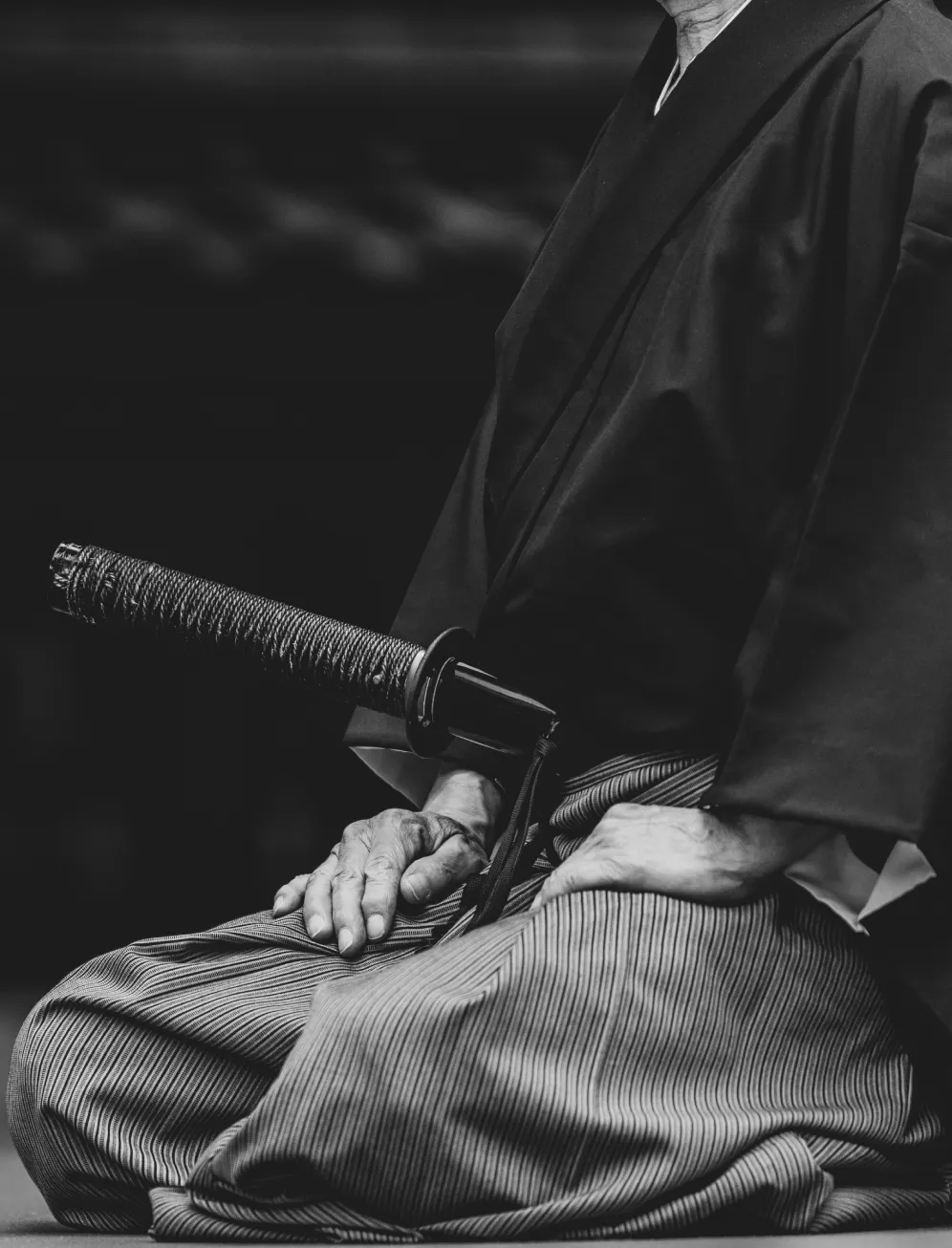


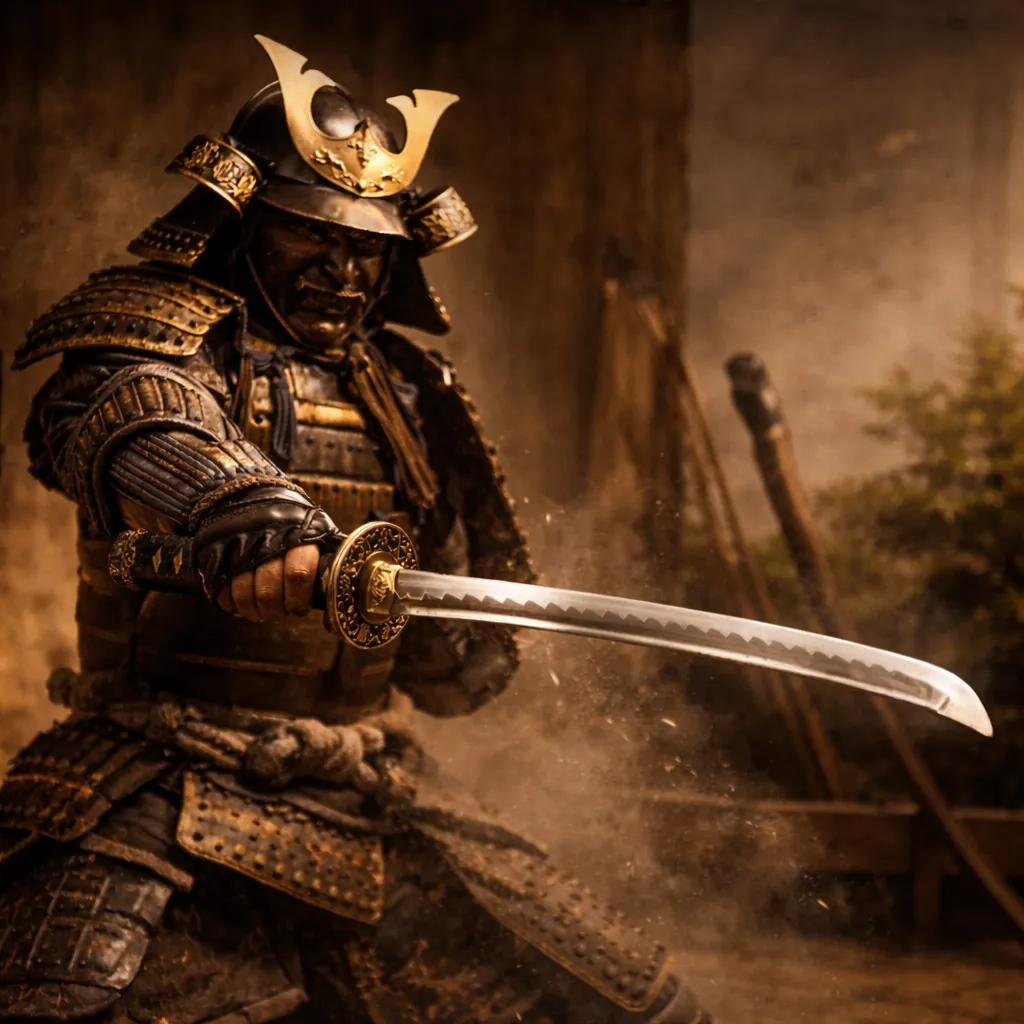
The katana is not an object that was born merely as a weapon.
It represents more than a thousand years of accumulated Japanese history,
philosophy, aesthetics, and technological refinement—
a true embodiment of culture itself.
Today, collectors and high-net-worth individuals around the world are showing renewed interest in the katana. This attention cannot be explained simply by its reputation as a “sharp sword.” Behind it lies a deep and layered historical narrative that continues to resonate globally.
Last updated: January 2026|This article provides general historical and cultural information. For legal regulations or import requirements, please consult official sources in your country.
- The katana embodies Japan’s military history, philosophy, and aesthetic values
- While developed as a weapon, it gained artistic value at an early stage
- Through long periods of peace, the katana evolved into art, symbol, and cultural asset
- Today, it is re-evaluated globally as a form of craftsmanship that carries time itself
- 1. Origins of the Japanese sword: from straight blades to the katana
- 2. Heian period: the foundation of the katana
- 3. Kamakura period: refinement through real warfare
- 4. Sengoku period: mass demand and the birth of famous swords
- 5. Edo period: from weapon to art
- 6. Modern era: when swords disappeared from daily life
- 7. Today: the global re-evaluation of the katana
- 8. Conclusion: the katana as craftsmanship shaped by time
- 9. Glossary and historical notes
1. Origins of the Japanese sword: from straight blades to the katana
The earliest form of the Japanese sword can be traced back to straight blades used from the Nara period through the early Heian period. These swords were heavily influenced by weapon cultures from China and the Korean Peninsula.
As Japan developed its own style of warfare—particularly mounted combat— swords better suited for cutting rather than thrusting became necessary. This demand led to the creation of curved blades, giving birth to what we now recognize as the katana.
The curvature of the blade is not merely aesthetic. It increases cutting efficiency and draw speed, demonstrating how functionality directly shaped the sword’s iconic form.
2. Heian period: the foundation of the katana
During the late Heian period, as the warrior class rose to prominence, Japanese swordmaking underwent significant refinement. The fundamental structure and philosophy of the katana were largely established during this time.
One defining technique was repeated folding during forging. By folding the steel multiple times, swordsmiths refined the metal structure, reducing impurities while achieving both strength and flexibility.
By combining steels of different hardness, katana blades achieved the rare balance of being resistant to breaking, resistant to chipping, and exceptionally sharp. This ability to reconcile opposing properties remains one of the katana’s most admired qualities.
3. Kamakura period: refinement through real warfare
During the Kamakura period, the katana evolved further through extensive battlefield experience. The Mongol invasions of Japan (13th century) played a major role in driving improvements in durability and practical performance.
Renowned swordmaking centers such as Bizen, Yamashiro, and Soshu emerged, each developing distinctive styles. Elements such as blade patterns, surface texture, and curvature were refined, and swords began to be appreciated not only for strength, but also for beauty.
At this point, the katana had already begun to exist simultaneously as a functional weapon and an object of aesthetic appreciation.
4. Sengoku period: mass demand and the birth of famous swords
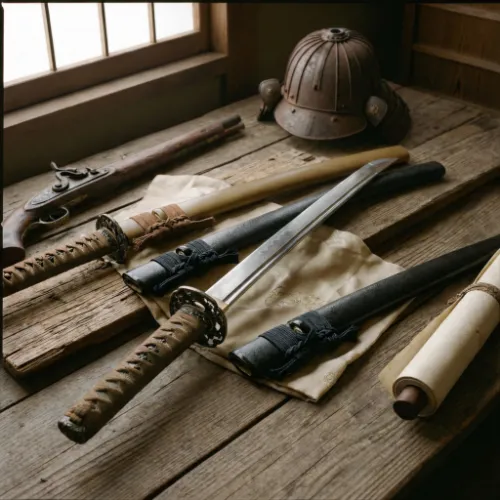
The Sengoku period was marked by continuous internal warfare, creating an enormous demand for swords. In many cases, swords became consumable tools of the battlefield.
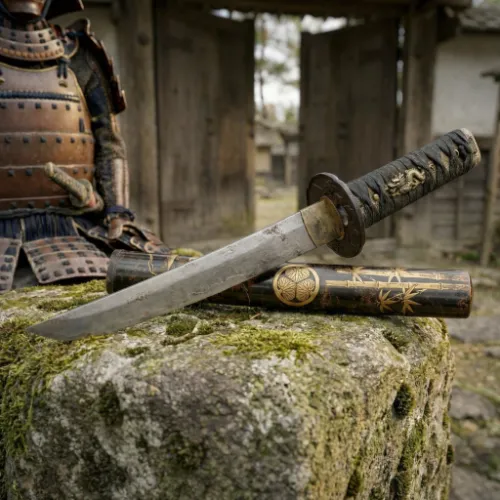
Yet powerful warlords sought more than mere utility. Exceptional swords made by master smiths were prized as symbols of authority and identity. This era saw the emergence of the concept of “famous swords,” whose names, histories, and ownership stories added lasting value.
The tradition of naming swords and preserving their provenance closely parallels modern concepts found in art and antique markets.
5. Edo period: from weapon to art
The Edo period brought more than two centuries of relative peace. As a result, swords gradually lost their role as practical weapons.
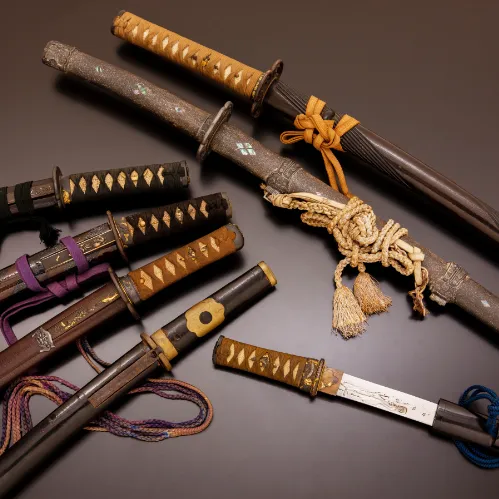
Instead, the katana came to represent spiritual values, social status, and aesthetic refinement. Sword fittings and mountings grew increasingly elaborate, and the katana evolved into a comprehensive art form.
The integration of blade, scabbard, guard, handle, and metal fittings is one reason the katana is often regarded as a complete artistic composition rather than a single object.
6. Modern era: when swords disappeared from daily life
During the Meiji period, Japan pursued rapid modernization. The Sword Abolishment Edict removed swords from public life, and many katana were lost or exported overseas.
At the same time, a new awareness emerged: the katana was redefined as a cultural heritage rather than a weapon. Efforts to preserve swordmaking techniques ensured their survival into the modern era.
7. Today: the global re-evaluation of the katana
Today, the katana is not simply a historical artifact. Its uninterrupted lineage of craftsmanship, its status as a one-of-a-kind handmade object, and the way its narrative deepens over time have all contributed to renewed global appreciation.
In an age dominated by digital assets and mass production, the katana stands out as a tangible, enduring expression of authenticity.
8. Conclusion: the katana as craftsmanship shaped by time
The history of the katana reflects how Japanese values and aesthetics have evolved over centuries. Born as a weapon, refined as art, and preserved as cultural heritage, it continues to resonate far beyond Japan’s borders.
This is why the katana remains understood, collected, and protected worldwide— a form of craftsmanship that quietly carries the weight of time.
9. Glossary and Historical Notes
-
Nara period (8th century)
A formative era in which Japan established its early state system while absorbing strong cultural influence from China. Early swords were predominantly straight blades. -
Heian period (794–1185)
A time when uniquely Japanese culture and aesthetics took shape. The foundations of the katana’s structure and philosophy were established. -
Kamakura period (1185–1333)
The first era in which warriors governed Japan. Extensive battlefield experience refined the katana’s practicality and durability. -
Mongol Invasions (13th century)
Large-scale invasions by the Mongol Empire that exposed Japanese warriors to unfamiliar armor and combat styles, prompting weapon improvements. -
Sengoku period (15th–16th century)
A prolonged age of civil war. Swords were produced in large numbers, while exceptional blades gained symbolic value. -
Edo period (1603–1868)
Over two centuries of peace. The katana transitioned from weapon to symbol of spirit, status, and refined taste. -
Meiji period (1868–1912)
An era of rapid modernization and Westernization. Swords disappeared from daily life, but efforts to preserve them as cultural heritage began. -
Koshirae (sword mounting)
The complete set of fittings—including scabbard, guard, handle, and metal ornaments— that frame the blade and contribute to the katana’s artistic unity. -
Hamon (temper line)
The visible pattern along the blade edge formed during heat treatment. It combines functional hardness with distinctive aesthetic expression. -
Jihada (steel grain)
Surface patterns created through repeated folding of steel. These textures help identify swordmaking traditions and craftsmanship quality.

No comments yet.